


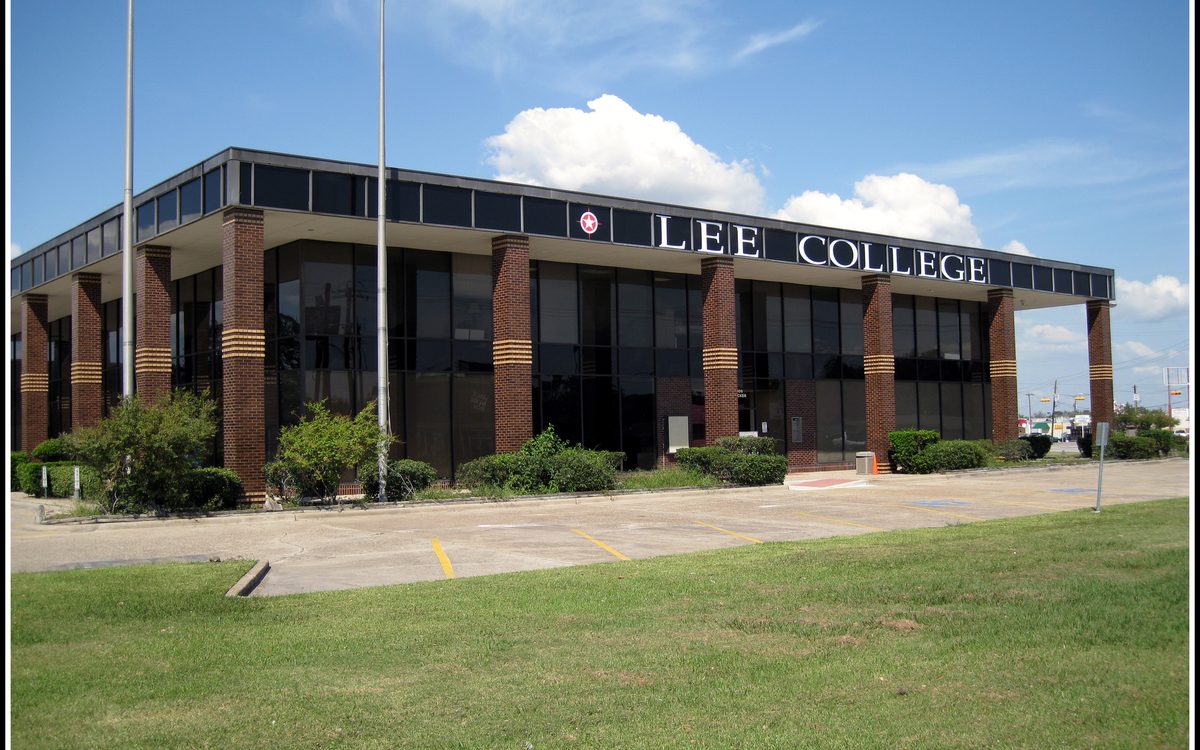
Lee College
Hours
| Mon | 7:30 AM – 5:15 PM |
|---|---|
| Tue | 7:30 AM – 5:15 PM |
| Wed | 7:30 AM – 5:15 PM |
| Thu | 7:30 AM – 5:15 PM |
| Fri | 7:30 AM – 12:30 PM |
| Sat | Closed |
| Sun | Closed |
The jobs, the plants, the shifts, and how people here get hired. The plants are why the town is here: this is the page for people coming in for a turnaround, a contract or a career.
Baytown job searches split into four different questions. Start with yours.
## I need openings now
Use the Hiring now section on this page for employers HERE tracks, then follow the employer’s own application link.
## I need to know where to apply
Use Where Baytown jobs are posted for the places employers use, how to verify a listing and how to avoid a fake job.
## I want to know who hires here
Use Baytown employers for the employer directory and the full employer profiles.
## I need the path into plant work
Use Training for the training and credential path, Gear for job-readiness requirements, and the work-life pages to understand the work before you spend money on a credential.
Nothing here matches that. Try a shorter word.


Which one is me?
This week: 360 openings across 11 employers we track for this page.
Hurt on the job, or need a drug screen for a contractor badge? Prime Occupational Medicine handles work-injury and screening visits, separate from the walk-in urgent-care clinics.
Medians for the Houston metro, all industries, from the Bureau of Labor Statistics' Occupational Employment and Wage Statistics, May 2025 release. Refreshed when BLS publishes again.
| occupation | hourly median | annual median |
|---|---|---|
| Electrical and electronic engineering technicians | $33.37 | $69,410 |
| Occupational health and safety specialists | $39.86 | $82,910 |
| Boilermakers | $37.06 | $77,090 |
| Construction laborers | $19.88 | $41,350 |
| Electricians | $28.45 | $59,180 |
| Insulation workers, mechanical | $23.14 | $48,140 |
| Plumbers, pipefitters and steamfitters | $29.47 | $61,300 |
| Helpers — electricians | $21.56 | $44,840 |
| Helpers — pipelayers, plumbers, pipefitters | $21.52 | $44,750 |
| Control and valve installers and repairers | $29.65 | $61,680 |
| Millwrights | $32.57 | $67,750 |
| Machinists | $29.46 | $61,280 |
| Welders, cutters, solderers and brazers | $27.86 | $57,940 |
| Water and wastewater treatment operators | $24.97 | $51,940 |
| Chemical plant and system operators | $50.97 | $106,020 |
| Refinery operators and gaugers | $40.43 | $84,100 |
| Inspectors, testers and sorters | $22.42 | $46,630 |
| Crane and tower operators | $36.30 | $75,500 |
| Industrial truck and tractor operators | $22.11 | $45,990 |
| occupation | hourly median | annual median |
|---|---|---|
| Registered nurses | $48.00 | $99,830 |
| LVNs | $30.61 | $63,670 |
| Nursing assistants | $18.26 | $37,970 |
| Medical assistants | $20.25 | $42,110 |
| occupation | hourly median | annual median |
|---|---|---|
| Elementary teachers | — | $64,500 |
| Secondary teachers | — | $65,540 |
| Substitute teachers | $15.65 | $32,550 |
| Tutors | $16.34 | $33,990 |
| Teaching assistants | — | $29,300 |
| Coaches and scouts | — | $36,330 |
| occupation | hourly median | annual median |
|---|---|---|
| Firefighters | $28.42 | $59,120 |
| Police officers | $35.85 | $74,570 |
| Security guards | $17.05 | $35,460 |
| Lifeguards and recreational protective service | $13.24 | $27,540 |
| Recreation workers | $15.00 | $31,200 |
| School bus drivers | $24.24 | $50,430 |
| occupation | hourly median | annual median |
|---|---|---|
| Heavy and tractor-trailer drivers | $27.33 | $56,840 |
| Light truck drivers | $21.12 | $43,920 |
| Laborers and freight movers | $18.27 | $38,000 |
| Stockers and order fillers | $17.74 | $36,890 |
| Cooks, restaurant | $16.85 | $35,050 |
| occupation | hourly median | annual median |
|---|---|---|
| First-line retail supervisors | $22.58 | $46,970 |
| Cashiers | $14.11 | $29,350 |
| Retail salespersons, Houston area | $15.07 | $31,340 |
| Fast food and counter workers | $13.25 | $27,570 |
| Waiters and waitresses | $10.61 | $22,080 |
| Hotel desk clerks | $14.37 | $29,900 |
| occupation | hourly median | annual median |
|---|---|---|
| Janitors and cleaners | $14.74 | $30,650 |
| Maids and housekeeping cleaners | $14.30 | $29,740 |
| Library assistants | $14.04 | $29,210 |
| Office clerks | $19.41 | $40,370 |
Baytown's plant economy is not one job called “the refinery.” This is what people actually do inside the fence, in plain language, for anyone who's wondered, or is about to start.
Newcomers often hear “get your card” as if Baytown has one industrial license. It does not.
There are at least four different things people may mean:
1. TWIC. The Transportation Worker Identification Credential is a federal security credential used where secure maritime access is required. 2. Safety-council training. A training record shows that you completed an assigned contractor-safety course. It is not a federal plant license. 3. Site badge. The plant or facility issues access after its own training, screening and orientation requirements are met. 4. Craft license or certification. A role may require its own qualification, such as a commercial driver's license, electrician credential or welding test.
One card does not substitute for the others. A posting or an orientation will tell you which ones a given job actually needs, so read both. The cost and booking side of the first three is on the training page.
A plant is not a row of independent machines. A valve position can affect a vessel. Maintenance can change what an operator expects to be available. One crew's work can create a hazard for the crew beside it.
That is why permits, isolations, shift handovers and management-of-change systems exist. The paperwork makes today's temporary condition visible to everyone who could be affected by it. A good system still depends on people reading it, questioning it and stopping when reality does not match the paper. Everyone on the unit should be able to see what the crew beside them is doing.
Personal safety covers injuries such as cuts, falls and strains. Process safety focuses on the systems that keep hazardous material and energy under control.
A site can go a long time without a recordable injury and still have a weak process barrier. A hand injury on a Tuesday can also happen with no process-safety failure anywhere near it.
Both matter. They are measured differently, managed by different people, and use different controls. A plant that is excellent at one is not automatically excellent at the other.
That distinction helps explain why plants care about small procedure changes, alarms, bypasses and equipment condition even on days when nobody is hurt.
Operators are often direct plant employees, the plant's own people, mostly. They work in control rooms and in the field, commonly on rotating shifts in continuous operations.
A two-year Process Technology credential from Lee College is one strong local route. It is not a universal requirement or a job guarantee. The employer sets the actual bar.
Operators monitor pressure, temperature, flow and other process conditions. They make adjustments, perform field rounds, collect samples, keep logs and coordinate work on the unit.
The plant runs between turnarounds, which is why operations can be one of the steadier industrial career tracks.
Read a day as an operator for the shift itself.
A large share of turnaround and project craft labor comes through contractors. Workers may move from one plant to another along the Gulf Coast.
Read a day as a pipefitter and welder for the craft side.
Plants also need planners, schedulers and material coordinators. Inspection and nondestructive examination, often shortened to NDE, check welds and equipment condition without destroying the item being tested.
Analyzer technicians keep measurement systems accurate. Reliability and corrosion specialists study how equipment fails. Labs test products and process samples.
Industrial hygienists focus on worker exposures. Environmental staff handle air, water, waste and regulatory systems. Emergency-response teams prepare for events nobody wants to use them for.
Quality assurance and quality control, often written QA/QC, verify that work meets the required code, specification and procedure.
These are real career families. If the control room and welding hood are not your fit, do not assume the plant has nothing else for you.
Inspectors may specialize in welding, fixed equipment, piping, coatings or other systems. Certifications from groups such as the American Petroleum Institute, or API, can matter for some roles.
Safety work also separates into occupational safety, process safety, industrial hygiene, environmental work and emergency response.
Operations often owns the permit and isolation authority for its unit. Safety personnel may advise, audit or verify rather than personally issue every permit. The exact split is site-specific.
Many inspection and safety careers begin with field experience. Knowing how the work is actually done makes the later oversight better.
ISTC, the Industrial Safety Training Council on Decker Drive, provides contractor safety training and site-specific orientations. It moved to Safety Essentials as its Process Safety Management contractor orientation. The Health & Safety Council lists its Baytown training campus at 4226 Decker Drive.
The exact course still comes from the employer or facility. Reciprocity through the Association of Reciprocal Safety Councils, or ARSC, depends on the course and participating site. Many contractors serving this corridor use safety-council training, including ISTC's programs, but the exact path is the employer's.
After safety training, a worker may still need the facility's own orientation and badge. ExxonMobil, for example, uses its Baytown Area Badging Office for site access.
This is why the phrase “I have my card” is only the beginning of the question.
No single route is “the” plant route. Choose based on the work you want. Plenty of steady careers here started at any one of the four.
A turnaround is a planned outage used to inspect, clean, repair, replace or modify equipment. A plant needs far more craft and specialty labor during that window than it carries year-round.
The work moves through shutdown, equipment preparation, maintenance, reassembly and start-up. Start-up and shutdown deserve extra process-safety attention because equipment is outside normal steady operation. OSHA's process safety management rule names “start-up following a turnaround” as its own distinct operating phase.
The turnaround, explained goes deeper. Coming in for one covers badging, lodging, early food and the practical side.
Continuous-process jobs often use rotating shifts, and 12-hour schedules are common. They are not universal.
Turnaround and contractor schedules depend on site, scope and employer. A large outage may use extended multi-shift schedules, often six or seven days a week, to shorten downtime. Contractors do not publicly post their patterns.
Overtime, shift differentials and per diem are also employer- and contract-specific. A worker should get the schedule and compensation terms from the actual posting or agreement.
Read the night-shift pages for what the clock does to a household.
There is no honest single number for “plant work.” A certified welder, operator, helper, inspector and instrument technician are different labor markets.
Union scales, contractor rates, overtime rules and direct-company pay structures can all differ, and they move with the market. The question pages use sourced Bureau of Labor Statistics medians for Houston-area occupations where that comparison helps.
The posting, union agreement or written offer is the number to use for a real decision. The contractors' postings and the halls' scales are the truth.
The work becomes clearer when you follow a day: an operator, a pipefitter and a welder, a nurse, a teacher, a driver and the floor to the manager's key in retail.
The last four are not all plant jobs. They matter because Baytown's industrial clock shapes the whole town's labor market.
For the rules and vocabulary behind the industrial pages, read the rules that keep you alive and fifty plant words.
Los trabajos dentro de las plantas de Baytown no son un solo oficio llamado “la refinería”. Esto es lo que la gente hace de verdad dentro de la cerca, en palabras sencillas, para quien se lo ha preguntado o está por empezar.
Mucha gente recién llegada oye “saque su tarjeta” como si Baytown tuviera una sola licencia industrial. No es así. Hay al menos cuatro cosas distintas:
1. TWIC. La credencial federal de identificación para trabajadores del transporte, que se usa donde se exige acceso marítimo seguro. 2. Capacitación de un consejo de seguridad. Es el registro de que usted terminó un curso de seguridad para contratistas. No es una licencia federal de planta. 3. Credencial del sitio. La planta la emite después de su propia capacitación, revisión y orientación. 4. Licencia o certificación del oficio. Un puesto puede exigir la suya, como una licencia comercial de conducir, una credencial de electricista o una prueba de soldadura.
Una tarjeta no sustituye a las otras. La oferta de empleo o la orientación le dirán cuáles necesita en cada caso. El costo y cómo inscribirse están en la página de capacitación.
Una planta no es una fila de máquinas independientes. La posición de una válvula puede afectar un recipiente. El mantenimiento puede cambiar lo que el operador espera tener disponible. El trabajo de una cuadrilla puede crear un peligro para la de al lado.
Por eso existen los permisos, los aislamientos, los relevos de turno y los sistemas de manejo de cambios. El papeleo hace visible la condición temporal del día para todos los que puedan verse afectados. Aun así, un buen sistema depende de que la gente lo lea, lo cuestione y se detenga cuando la realidad no coincide con el papel.
La seguridad personal cubre lesiones como cortes, caídas y esguinces. La seguridad de procesos se centra en los sistemas que mantienen bajo control los materiales peligrosos y la energía.
Un sitio puede pasar mucho tiempo sin una lesión registrable y aun así tener una barrera de proceso débil. Una lesión en la mano también puede ocurrir un martes sin que haya fallado nada en el proceso. Ambas cosas importan. Se miden distinto, las manejan personas distintas y usan controles distintos. Una planta excelente en una no es automáticamente excelente en la otra.
Los operadores suelen ser empleados directos de la planta, su gente de planta, en su mayoría. Trabajan en salas de control y en el campo, por lo general en turnos rotativos en operaciones continuas.
Un título de dos años en Tecnología de Procesos de Lee College es una buena ruta local. No es un requisito universal ni una garantía de empleo. El empleador fija el nivel real.
Los operadores vigilan la presión, la temperatura, el flujo y otras condiciones del proceso. Hacen ajustes, recorren el campo, toman muestras, llevan registros y coordinan el trabajo en la unidad. La planta funciona entre paros programados, por eso las operaciones pueden ser una de las carreras industriales más estables. Lea un día como operador para ver el turno.
Gran parte del trabajo de oficios en paros y proyectos viene por contratistas. Los trabajadores pueden pasar de una planta a otra a lo largo de la costa del Golfo.
Lea un día como instalador de tubería y soldador para el lado de los oficios.
Las plantas también necesitan planificadores, programadores y coordinadores de materiales. La inspección y los exámenes no destructivos, o NDE, revisan soldaduras y el estado del equipo sin dañarlo.
Los técnicos de analizadores mantienen exactos los sistemas de medición. Los especialistas en confiabilidad y corrosión estudian cómo falla el equipo. Los laboratorios prueban productos y muestras. Los higienistas industriales atienden la exposición de los trabajadores. El personal ambiental maneja aire, agua, residuos y normas. Los equipos de respuesta a emergencias se preparan para eventos que nadie quiere enfrentar. El control y aseguramiento de calidad, QA/QC, verifica que el trabajo cumpla el código, la especificación y el procedimiento.
Son carreras de verdad. Si la sala de control o la careta de soldar no son lo suyo, no suponga que la planta no tiene nada más para usted.
Los inspectores pueden especializarse en soldadura, equipo fijo, tubería, recubrimientos u otros sistemas. Las certificaciones de grupos como el Instituto Americano del Petróleo, API, cuentan en algunos puestos. La seguridad se divide en seguridad ocupacional, seguridad de procesos, higiene industrial, trabajo ambiental y respuesta a emergencias.
Operaciones suele tener la autoridad de permisos y aislamientos de su unidad. El personal de seguridad puede asesorar, auditar o verificar, sin emitir cada permiso. La división exacta depende del sitio. Muchas carreras de inspección y seguridad empiezan con experiencia de campo: saber cómo se hace el trabajo mejora la supervisión posterior.
ISTC, el Industrial Safety Training Council en Decker Drive, ofrece capacitación de seguridad para contratistas y orientaciones específicas de cada sitio. Pasó a Safety Essentials como su orientación de contratistas para Manejo de Seguridad de Procesos. El Health & Safety Council indica su campus de Baytown en 4226 Decker Drive.
El curso exacto lo decide el empleador o la instalación. La reciprocidad por medio de la Association of Reciprocal Safety Councils, ARSC, depende del curso y del sitio participante. Muchos contratistas de este corredor usan la capacitación de los consejos de seguridad, incluida la de ISTC, pero el camino exacto lo marca el empleador.
Después de la capacitación, quizá aún necesite la orientación y la credencial de la instalación. ExxonMobil, por ejemplo, usa su Baytown Area Badging Office para el acceso. Por eso “ya tengo mi tarjeta” es solo el comienzo de la pregunta.
Ninguna ruta es “la” ruta. Escoja según el trabajo que quiere. Muchas carreras estables de aquí empezaron por cualquiera de las cuatro.
Un paro programado (turnaround) es una parada planeada para inspeccionar, limpiar, reparar, reemplazar o modificar equipo. La planta necesita mucha más mano de obra de oficios y especialistas en esa ventana que durante el resto del año.
El trabajo pasa por el apagado, la preparación del equipo, el mantenimiento, el rearmado y el arranque. El arranque y el apagado exigen atención extra en seguridad de procesos porque el equipo está fuera de su operación normal. La norma de manejo de seguridad de procesos de OSHA nombra el “arranque después de un paro” como una fase de operación distinta.
El paro explicado profundiza. Venir para uno cubre credenciales, alojamiento, comida temprana y lo práctico.
Los trabajos de proceso continuo suelen usar turnos rotativos, y los de 12 horas son comunes, pero no universales. Los horarios de paros y contratistas dependen del sitio, el alcance y el empleador. Una parada grande puede usar turnos extendidos, a menudo seis o siete días por semana, para acortar el tiempo detenido. Los contratistas no publican sus patrones.
Las horas extra, los diferenciales de turno y los viáticos también dependen del empleador y del contrato. Pida el horario y las condiciones de pago en la oferta o el acuerdo. Lea las páginas del turno de noche para ver lo que el reloj le hace a un hogar.
No hay una cifra honesta para “el trabajo en planta”. Un soldador certificado, un operador, un ayudante, un inspector y un técnico de instrumentos son mercados laborales distintos. Las escalas sindicales, las tarifas de contratistas, las reglas de horas extra y el pago de las empresas dueñas varían y cambian con el mercado. Las páginas de preguntas usan medianas de la Oficina de Estadísticas Laborales con fuente, para ocupaciones de Houston. La oferta, el contrato sindical o la oferta por escrito son el número para decidir.
Seguir un día aclara el trabajo: un operador, un instalador de tubería y un soldador, una enfermera, un maestro, un conductor y del piso a la llave del gerente en el comercio. Los últimos cuatro no son todos trabajos de planta, pero el reloj industrial de Baytown marca el mercado laboral de todo el pueblo. Para las reglas y el vocabulario, lea las reglas que lo mantienen con vida y cincuenta palabras de planta.
Antes de aceptar, confirme el trabajo exacto, el turno, la credencial requerida y quién firma su cheque.
| Mon | 7:30 AM – 5:15 PM |
|---|---|
| Tue | 7:30 AM – 5:15 PM |
| Wed | 7:30 AM – 5:15 PM |
| Thu | 7:30 AM – 5:15 PM |
| Fri | 7:30 AM – 12:30 PM |
| Sat | Closed |
| Sun | Closed |

 Illustration
| Mon | 7 AM – 4:30 PM |
|---|---|
| Tue | 7 AM – 4:30 PM |
| Wed | 7 AM – 4:30 PM |
| Thu | 7 AM – 4:30 PM |
| Fri | 7 AM – 4:30 PM |
| Sat | Closed |
| Sun | Closed |
Six roles, described plainly, from the U.S. Department of Labor's own task lists and BLS's wages for the Houston metro.
Baytown is a refinery town. Twenty-nine pieces on how the plants actually work, the rules that govern them, and what the life does to a body, a family and a bank account — sourced, not invented.
The fifty largest in the six Baytown-area ZIPs. Eleven have their own full profile; the rest link straight to their careers page.
Exxon Mobil Corporation · 5000 Bayway Dr, Baytown, TX 77520
Baytown Refinery Reconfiguration / Group III base stock project
source: corporate.exxonmobil.com/locations/united-states/baytown
Chevron Phillips Chemical Cedar Bayou Facility
Chevron Phillips Chemical Company LP · 9500 I-10 East, Exit 796, Baytown, TX 77521
Covestro Baytown
Covestro LLC · 8500 West Bay Road, Baytown, TX 77523
source: covestro.com/-/media/covestro/corporate/company/covestro-worldwide/uni
Enterprise Products — Mont Belvieu / Chambers County NGL complex
Enterprise Products Operating LLC / Enterprise Products Partners · 10207 FM 1942, Mont Belvieu, TX 77580
source: enterpriseproducts.com/operations/natural-gas-liquids/
Energy Transfer — Mont Belvieu NGL Complex (Lone Star)
Energy Transfer · 10030A FM 1942, Mont Belvieu, Chambers County, TX 77580
source: energytransferfacts.com/blog/asset-highlight-ngls-at-our-mont-belvieu-
Targa Resources — Mont Belvieu fractionation
Targa Resources Corp. · 10119 North Highway 146, Mont Belvieu, TX 77580
source: targaresources.com/operations/logistics-transportation-segment
Trade, process and health programmes from the 2026–27 catalog, grouped by the job they lead to. Catalog; the full list is on the schools page.
Real programs at the college — computing, game development — that don't lead into the roles this page covers.
A turnaround brings a short, heavy wave of craft and specialty work into a plant. You've got a start date, a plant name, and a truck. If the date is fixed, handle the bed, the badge and the first morning before you point the truck toward Baytown. Here's Baytown, in the order you'll need it.
A turnaround is a planned period when a unit is taken out of normal service. Crews inspect, clean, repair, replace or modify equipment, then put the unit back together and support start-up.
The fuller explanation is here. Shutdown, equipment preparation, maintenance, reassembly and start-up are different phases. Start-up and shutdown get special process-safety attention because the unit is outside normal steady operation. OSHA's process safety management rule names "start-up following a turnaround" as its own distinct operating phase.
ExxonMobil has described a Baytown turnaround day involving thousands of workers around the clock. The big ones in early 2025 brought about 3,500 extra people to town for roughly two months.
Chevron Phillips Chemical's Cedar Bayou site reports more than two thousand onsite contractors even outside a single big outage. Covestro reported more than a thousand employees plus hundreds of nested contractors (its figures date from 2021). Add Mont Belvieu and hotel or RV supply can tighten fast.
If your dates are fixed, book before you drive.
The Industrial Safety Training Council, ISTC, at 3166 Decker Drive, provides general and site- or customer-specific industrial training for this corridor. The Baytown training center is open Monday to Friday, 6:30 in the morning to 4:30 in the afternoon.
ISTC now uses Safety Essentials as its Process Safety Management contractor orientation. The exact course still comes from the employer or site. Reciprocity through the Association of Reciprocal Safety Councils, or ARSC, depends on the course and participating site.
A safety-training record is not the same thing as a plant badge. Site orientation and access requirements come next. ExxonMobil, for example, uses its Baytown Area Badging Office for site access after assigned requirements are complete. Get there the day before your start, not the morning of; the line at 6:30 is everyone who thought the morning of was fine.
Bring your ID, your current cards, and whatever your contractor's paperwork says.
Five parks within about 20 miles are set up for longer stays and full hookups. Rates change with the season and with demand, so call the park and confirm before you book. The numbers below are what each park posted when we last checked.
The two parks along 146 are especially convenient for plant access. Convenience also makes them the first places many crews try.
For an extended stay with a kitchen, try WoodSpring Suites, 4624 E Freeway; Candlewood Suites, 6126 Garth; and Best Western Plus Executive Residency, 4602 E Freeway.
WoodSpring and Candlewood are built for longer stays. Best Western adds a kitchenette, breakfast, laundry and a pool. None of the three posts a flat weekly rate; pick your dates online and the rate appears. Price the exact dates, because the number moves with the outage.
The rest of the Garth hotel row is on the Stay page.
A 12-hour shift changes what "breakfast" means. The useful place is the one open when your commute starts.
Speed Queen, at 951 Rollingbrook Dr, is the late-hours pick. It runs 7 a.m. to 1 a.m. early in the week and 24 hours Thursday through Sunday, with drop-off wash-and-fold.
Washaterias on North Alexander and North Main are other options; they run roughly 7 to 9 or later. Check current hours before hauling a week's FR across town.
The brand, arc rating or garment type belongs to the employer's rules. A store rack cannot tell you what your site requires.
Pipefitters Local 211 is in Deer Park. Boilermakers Local 132 is in La Marque. IBEW Local 527 is in Texas City. Iron Workers Local 84 is in Houston.
None is in Baytown, but all can serve work in this corridor. If a hall matters to your trade, know its dispatch and referral rules before the outage starts.
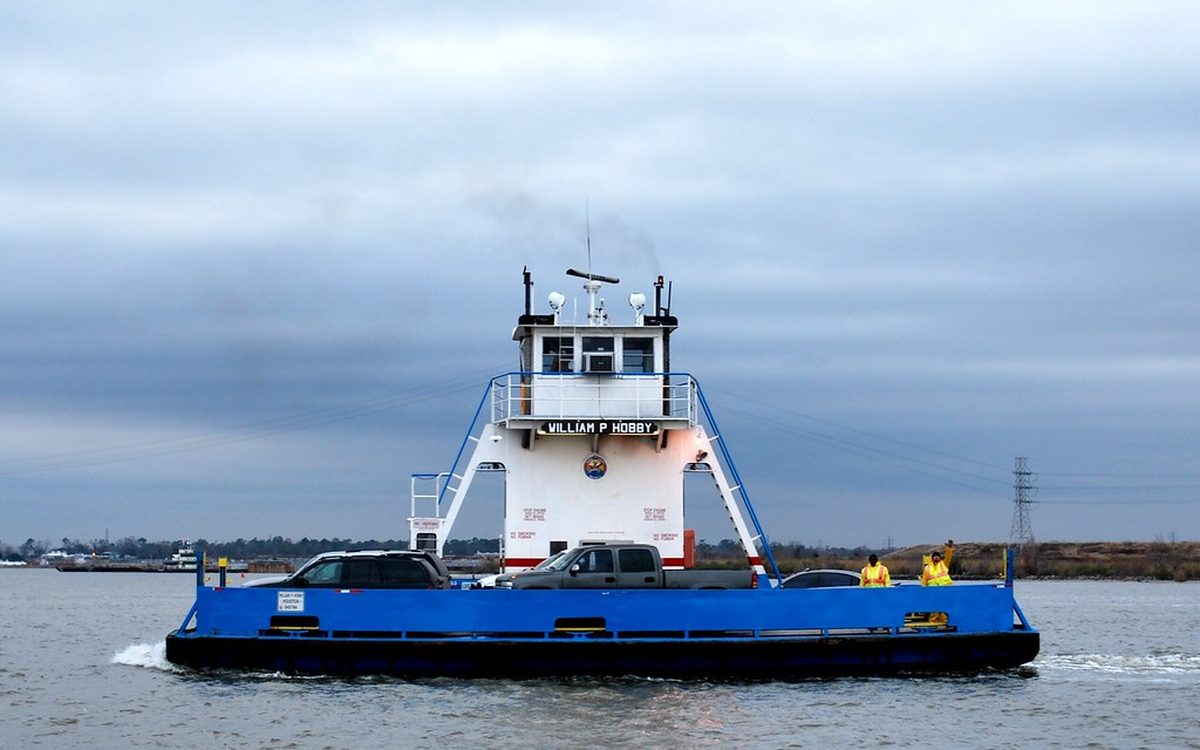
Sunday may be the first day the town becomes more than gates and parking lots. The Lynchburg Ferry, Baytown Nature Center, Bayland fishing, Bocanegra's and The Chute are all different versions of Baytown.
The rest of the Work section and this site are for the hours when you are not wearing boots.
Badge the day before. Book the pad before you drive. Then learn one thing about the town that has nothing to do with the outage. The Lynchburg Ferry runs weekdays from 4:30 — for you — and weekends from eleven. Then, the first Sunday, the ferry at eleven; if you're here six weeks, the town is better than the hotel row lets on.
For the bigger picture, read the turnaround, explained and the turnaround diaspora.
Un turnaround trae una ola corta y pesada de trabajo de oficios y especialidades a una planta. Usted tiene una fecha de inicio, el nombre de una planta y una camioneta. Si la fecha es fija, resuelva la cama, la credencial y la primera mañana antes de apuntar hacia Baytown. Aquí está Baytown, en el orden en que lo va a necesitar.
Un turnaround es un periodo planeado en que una unidad sale de operación normal. Las cuadrillas inspeccionan, limpian, reparan, reemplazan o modifican equipo, y luego vuelven a armar la unidad y apoyan el arranque.
La explicación completa está aquí. El paro, la preparación del equipo, el mantenimiento, el rearmado y el arranque son etapas distintas. El arranque y el paro reciben atención especial en seguridad de procesos porque la unidad está fuera de su operación normal y estable. La norma de seguridad de procesos de OSHA nombra el "arranque después de un turnaround" como una fase de operación propia.
ExxonMobil ha descrito un día de turnaround en Baytown con miles de trabajadores las 24 horas. Los grandes de principios de 2025 trajeron a unas 3,500 personas extra al pueblo durante unos dos meses.
La planta de Chevron Phillips Chemical en Cedar Bayou reporta más de dos mil contratistas en sitio incluso fuera de un paro grande. Covestro reportó más de mil empleados más cientos de contratistas anidados (sus cifras son de 2021). Sume Mont Belvieu y los hoteles o los espacios de RV se pueden llenar rápido.
Si sus fechas son fijas, reserve antes de manejar hasta aquí.
El Industrial Safety Training Council (ISTC), en 3166 Decker Drive, ofrece capacitación industrial general y específica para cada sitio o cliente en este corredor. El centro de Baytown abre de lunes a viernes, de 6:30 de la mañana a 4:30 de la tarde.
ISTC ahora usa Safety Essentials como su orientación para contratistas de Process Safety Management. El curso exacto lo sigue decidiendo el empleador o el sitio. La reciprocidad por medio de la Association of Reciprocal Safety Councils (ARSC) depende del curso y del sitio participante.
Un registro de capacitación en seguridad no es lo mismo que una credencial de planta. La orientación del sitio y los requisitos de acceso vienen después. ExxonMobil, por ejemplo, usa su Baytown Area Badging Office para dar acceso al sitio una vez cumplidos los requisitos asignados. Llegue el día antes de su inicio, no la mañana de; la fila de las 6:30 es de todos los que pensaron que la mañana de estaba bien.
Lleve su identificación, sus tarjetas vigentes y los papeles que su contratista le diga.
Cinco parques a unas 20 millas están preparados para estancias largas y conexiones completas. Las tarifas cambian con la temporada y la demanda, así que llame al parque y confirme antes de reservar. Los números de abajo son lo que cada parque tenía publicado cuando los revisamos.
Los dos parques sobre la 146 son especialmente cómodos para llegar a las plantas. Esa comodidad también los hace los primeros que prueban muchas cuadrillas.
Para una estancia larga con cocina, pruebe WoodSpring Suites, 4624 E Freeway; Candlewood Suites, 6126 Garth; y Best Western Plus Executive Residency, 4602 E Freeway.
WoodSpring y Candlewood están hechos para estancias largas. Best Western agrega cocineta, desayuno, lavandería y alberca. Ninguno de los tres publica una tarifa semanal fija; escoja sus fechas en línea y aparece la tarifa. Cotice las fechas exactas, porque el precio se mueve con el paro.
El resto de la fila de hoteles de Garth está en la página de Hospedaje.
Un turno de 12 horas cambia lo que significa "desayuno". El lugar útil es el que está abierto cuando empieza su trayecto.
Speed Queen, en 951 Rollingbrook Dr, es la opción de horario tardío. Abre de 7 a.m. a 1 a.m. a principios de semana y las 24 horas de jueves a domingo, con servicio de lavado y doblado.
Las lavanderías de North Alexander y North Main son otras opciones; abren más o menos de 7 a 9 o más tarde. Revise el horario actual antes de cargar una semana de ropa FR por todo el pueblo.
La marca, la clasificación de arco o el tipo de prenda dependen de las reglas del empleador. Un estante de tienda no le dice lo que exige su sitio.
Pipefitters Local 211 está en Deer Park. Boilermakers Local 132 está en La Marque. IBEW Local 527 está en Texas City. Iron Workers Local 84 está en Houston.
Ninguno está en Baytown, pero todos pueden atender trabajo en este corredor. Si un sindicato importa para su oficio, conozca sus reglas de despacho y referencia antes de que empiece el paro.
El domingo puede ser el primer día en que el pueblo es más que puertas de planta y estacionamientos. El Lynchburg Ferry, el Baytown Nature Center, la pesca en Bayland, Bocanegra's y The Chute son versiones distintas de Baytown.
El resto de la sección de Trabajo y este sitio son para las horas en que no trae las botas puestas.
Credencial el día antes. Reserve el espacio antes de manejar. Y luego aprenda una cosa del pueblo que no tenga nada que ver con el paro. El Lynchburg Ferry cruza entre semana desde las 4:30, para usted, y los fines de semana desde las once. El primer domingo, el ferry a las once; si se queda seis semanas, el pueblo es mejor de lo que la fila de hoteles deja ver.
Para ver el panorama completo, lea el turnaround explicado y la diáspora del turnaround.
 Illustration
| Mon | 9 AM – 6 PM |
|---|---|
| Tue | 9 AM – 6 PM |
| Wed | 9 AM – 6 PM |
| Thu | 9 AM – 6 PM |
| Fri | 9 AM – 6 PM |
| Sat | 9 AM – 3 PM |
| Sun | 9 AM – 3 PM |
 Illustration
| Mon | 8:30 AM – 6 PM |
|---|---|
| Tue | 8:30 AM – 6 PM |
| Wed | 8:30 AM – 6 PM |
| Thu | 8:30 AM – 6 PM |
| Fri | 8:30 AM – 6 PM |
| Sat | 8:30 AM – 5 PM |
| Sun | Closed |
 Illustration
 Illustration
| Mon | Open 24 hours |
|---|---|
| Tue | Open 24 hours |
| Wed | Open 24 hours |
| Thu | Open 24 hours |
| Fri | Open 24 hours |
| Sat | Open 24 hours |
| Sun | Open 24 hours |
| Mon | 4 AM – 7 PM |
|---|---|
| Tue | 4 AM – 7 PM |
| Wed | 4 AM – 7 PM |
| Thu | 4 AM – 7 PM |
| Fri | 4 AM – 7 PM |
| Sat | 8 AM – 2 PM |
| Sun | 8 AM – 2 PM |
 Illustration
| Mon | 3:30 AM – 2 PM |
|---|---|
| Tue | 3:30 AM – 2 PM |
| Wed | 3:30 AM – 2 PM |
| Thu | 3:30 AM – 2 PM |
| Fri | 3:30 AM – 2 PM |
| Sat | 3:30 AM – 2 PM |
| Sun | 3:30 AM – 2 PM |
 Illustration
 Illustration
| Mon | 9:30 AM – 8 PM |
|---|---|
| Tue | 9:30 AM – 8 PM |
| Wed | 9:30 AM – 8 PM |
| Thu | 9:30 AM – 8 PM |
| Fri | 9:30 AM – 8 PM |
| Sat | 9:30 AM – 8 PM |
| Sun | 9:30 AM – 8 PM |
Illustration| Mon | 7 AM – 4:30 PM |
|---|---|
| Tue | 7 AM – 4:30 PM |
| Wed | 7 AM – 4:30 PM |
| Thu | 7 AM – 4:30 PM |
| Fri | 7 AM – 4:30 PM |
| Sat | Closed |
| Sun | Closed |
 Illustration
| Mon | 4:30 AM – 8 PM |
|---|---|
| Tue | 4:30 AM – 8 PM |
| Wed | 4:30 AM – 8 PM |
| Thu | 4:30 AM – 8 PM |
| Fri | 4:30 AM – 8 PM |
| Sat | 11 AM – 6:30 PM |
| Sun | 11 AM – 6:30 PM |
 Illustration
| Mon | Closed |
|---|---|
| Tue | Closed |
| Wed | Closed |
| Thu | 7 PM – 2 AM |
| Fri | 8 PM – 2 AM |
| Sat | 7 PM – 2 AM |
| Sun | Closed |
Mont Belvieu RV Resort
source: qualityrvresorts.com/destinations/houston/mont-belvieu-rv-resort/rates
Cedar Grove Park RV Resort
source: cedargrovepark.com/rates/
Houston East RV Resort
Highland Oaks RV Park
source: highlandoaksrvpark.com/Camping-In-Texas-Highlands-TX.html
Crosby RV Park
source: crosbyrvpark.com/rates/
WoodSpring Suites Houston Baytown
source: woodspring.com/extended-stay-hotels/locations/texas/houston/woodspring
Candlewood Suites Baytown
source: ihg.com/candlewood/hotels/us/en/baytown/houcb/hoteldetail
Best Western Plus Executive Residency Baytown
source: bestwestern.com/en_US/book/hotels-in-baytown/best-western-plus-executi
Mont Belvieu RV Resort — park models / travel trailers (non-hotel extended stay)
source: qualityrvresorts.com/destinations/houston/mont-belvieu-rv-resort/rates
Industrial Safety Training Council (ISTC) — Baytown Training Center
source: istc.net/contact-us/
ISTC — Beaumont Training Center (regional ARSC partner; not Baytown)
source: istc.net/contact-us/
Speed Queen Laundry — Rollingbrook Dr
source: stores.speedqueenlaundry.com/tx/baytown/951-rollingbrook-dr
Baytown Washateria
USA Washateria
source: local.yahoo.com/info-19158202-usa-washateria-baytown/
Big Bubble Washateria
source: laundryarchive.com/laundromats/tx/baytown/19604/big-bubble-washateria
Cedar Grove Park — guest laundry (RV park amenity)
source: cedargrovepark.com/rates/
Denny's
Denny's
IHOP
source: restaurants.ihop.com/en-us/tx/baytown/breakfast-6800-thompson-road-569
Whataburger #1139
source: locations.whataburger.com/tx/baytown/4975-east-fwy.html
Waffle House #920
Buc-ee's Baytown (food + convenience)
source: bestwestern.com/en_US/book/hotels-in-baytown/best-western-plus-executi
FR Workwear & Safety Supplies
source: mapquest.com/us/texas/fr-workwear-safety-supplies-367518657
FR & More Superstore / Helping Hands Safety (FRC & industrial supply)
source: businessyab.com/explore/united_states/texas/harris_county/baytown/ster
N&H FR Clothing & Safety
source: businessyab.com/explore/united_states/texas/harris_county/channelview/
J & K Work Clothes
source: jkworkclothes.com/
S&B Engineers and Constructors
source: businesswire.com/news/home/20211215005092/en/Chevron-Phillips-Chemical
ExxonMobil Baytown turnaround workforce (owner-described)
source: corporate.exxonmobil.com/locations/united-states/baytown/what-is-a-tur
Bechtel / Global Site Solutions (scaffolding) — ExxonMobil Baytown NAG-OR
Zachry Group
source: zachrygroup.com/press-releases/Zachry_Group_awarded_BPEX_contract_with
Pipe Fitters Local Union 211 (UA)
source: pipefitterslocal211.com/
Boilermakers Local 132
source: boilermakers.org/local/132
IBEW Local 527
source: ibew527.com/contact.html
Iron Workers Local 84
source: ironworkers.org/s/jobline
What the operators have said in public over the last year, dated and sourced. Window: 2025-09-16 through 2026-09-16 (roughly last 12 months).
2026-01-20 · ExxonMobil Baytown Complex
ExxonMobil broke ground on the Baytown Group III base-stock expansion/reconfiguration. The project will adjust rates and yields across three existing units, target about 8,000 barrels per day of Group III capacity and a 2028 startup; construction is expected to create more than 1,000 jobs.
ExxonMobil Basestocks · source
2026-02-02 · ExxonMobil Baytown Complex
ExxonMobil said its third advanced-recycling unit at Baytown was operational, raising site capacity to approximately 250 million pounds of plastic-waste processing annually.
ExxonMobil · source
2026-05-28 · ExxonMobil Baytown Complex
ExxonMobil Baytown Area said it was wrapping up its turnaround season and that more than 1,500 temporary jobs had been created during the work. The post described the turnarounds as planned shutdowns for inspection, maintenance, repair and upgrades.
ExxonMobil Baytown Area · source
2026-06-09 · Chevron Phillips Chemical Cedar Bayou Facility
Chemical Weekly reported, citing a CPChem customer letter dated June 9, that an equipment-related unplanned outage at Cedar Bayou led CPChem to declare force majeure on some AlphaPlus normal-alpha-olefin supplies; restoration timing was still being evaluated.
Chemical Weekly (public LinkedIn post) · source
2026-09-16 · Chevron Phillips Chemical Cedar Bayou Facility
CPChem publicly listed a Cedar Bayou Specialist, Reliability—Inspection opening focused on fixed-equipment integrity, inspection, maintenance planning and downtime inspection activities; the posting listed a September 16, 2026 closing date.
Chevron Phillips Chemical careers · source
2026-04-10 · Covestro Baytown
Covestro announced that its scheduled spring Baytown turnaround was underway: more than 1,000 skilled contractors from more than 50 companies were working with Covestro personnel around the clock on inspection, maintenance, repair and upgrades.
Covestro · source
2026-08-11 · Covestro Baytown
Covestro posted a Baytown Principal Power Distribution Engineer role covering maintenance, reliability and project-development support for the site electrical distribution infrastructure.
Covestro careers · source
2026-08-20 · Covestro Baytown
Covestro posted a Baytown PAT Maintenance Technician role supporting maintenance of process-analytical technology systems.
Covestro careers · source
2026-08-26 · Covestro Baytown
Covestro posted Baytown engineering internships for summer 2027, with possible assignments in maintenance/reliability, electrical, production support, automation, process safety and project engineering.
Covestro careers · source
2026-07-30 · Enterprise Products — Mont Belvieu / Chambers County NGL complex
Enterprise announced plans to construct Frac 15, a new 150,000-barrel-per-day NGL fractionator at its Mont Belvieu-area complex. The release did not state a startup date.
Enterprise Products Partners (SEC Exhibit 99.1) · source
2026-05-05 · Energy Transfer — Mont Belvieu NGL Complex (Lone Star)
Energy Transfer’s Q1 2026 earnings materials identified Frac IX as a 165,000-barrel-per-day Mont Belvieu fractionator expected to enter service in the fourth quarter of 2026.
Energy Transfer (Q1 2026 earnings materials) · source
2026-08-04 · Energy Transfer — Mont Belvieu NGL Complex (Lone Star)
Energy Transfer said its June-announced Nederland export expansion would also expand Mont Belvieu-to-Nederland NGL export-pipeline capacity; the company described the terminal project as adding 240,000 barrels per day of ethane capacity and 55,000 barrels per day of LPG capacity.
Energy Transfer (Q2 2026 earnings release) · source
2026-08-06 · Targa Resources — Mont Belvieu fractionation
Targa reported that its 150,000-barrel-per-day Train 11 fractionator in Mont Belvieu began operations in the second quarter; construction continued on Train 12 and Train 13 fractionators.
Targa Resources (SEC Exhibit 99.1) · source
20 supporting listings carry the work flag in the directory. Openings tracked: 360 across 11 employers, all kinds.
Ours to fix
We read every one, and we write back when it's fixed.