A continuous plant does not recognize midnight as a stopping point. New Year's Eve passes through the control room like any other operating hour, while people mark the calendar around a process designed to keep moving.
New Year's Day comes to Baytown the way it comes to most places, which is to say late. The streets off Garth Road are quiet until nearly noon. Somebody's trash can is on its side in the driveway from last night's wind. The drive-throughs have a line by ten, the grocery store lots fill by one, and the whole town has the look of a place that stayed up past its bedtime and is not the least bit sorry. Football is on somewhere behind every window. There are black-eyed peas on the stove in a lot of kitchens and tamales left over from Christmas in a lot of others, and down at the water a few people are fishing off the pier at Bayland Park in their coats, because the first day of the year is as good a day as any to catch nothing.
And across the water, behind them, the plant is doing exactly what it was doing the night before.
It took me years of living here to see that, and I want to say it plainly. The plant has no New Year. I do not mean that the people who work there skip the holiday. They keep it the same way everybody does, with the same peas and the same football, on whatever day the rotation hands them. I mean that the process itself, the thing inside the pipes, did not notice midnight. A cracking furnace running at eight or nine hundred degrees does not have a place to write the date. A distillation column that has been separating crude into its fractions for months without a pause does not know that the people in the town around it decided, at a certain hour, to start counting from one again.
A continuous process

We call it a continuous process, and the phrase is so ordinary out here that we forget how strange it is. Most of what people have made in the history of the world is made in batches. You bake a loaf, you fire a pot, you pour a casting, you finish, you clean up, you start again. The refinery does not work that way. Crude oil goes in one end of it and never stops going in. Gasoline and diesel and jet fuel and the feedstocks for the chemical plant come out the other end and never stop coming out. Between those two ends is a set of vessels that have been hot and full and moving for a very long time. The engineers plan for a unit to run for years between the big shutdowns, the turnarounds, when contract crews come in by the hundreds or thousands — the exact number is the size of the outage — and the whole thing is taken apart and put back together. Then it is lit again, and it runs, and it is not supposed to stop outside of a planned turnaround. An unplanned stop is the expensive thing, and starting up or shutting down draws the closest attention anyone on the unit ever pays, because the process is furthest from its steady state right there. A planned shutdown, done on schedule and by the book, is not a failure — it is the design working. Steadiness, when the design calls for it, is not a mood out there. It is the engineering.
Take the column itself. Crude comes into the bottom of it hot, and the light parts rise as vapor while the heavy parts stay down. The inside is a stack of trays, and at each tray the rising vapor meets liquid coming back down, and the two trade heat, and the vapor gives up whatever is too heavy to go higher. At the top is the lightest stuff in the barrel, at the bottom the heaviest, and at every level between them a different product is drawn off through a pipe in the wall. Part of what comes off the top is cooled and sent back down to keep the whole thing in balance. That returning stream is called reflux, and it is the reason the column can hold its separation for months. Nothing in that description has a beginning or an end. It is a river that has been arranged so that it runs in place.
A little before midnight
So imagine the control room a little before midnight on the last night of the year. I am not going to tell you which plant, and I am not going to give the operator a name, because it does not matter and because it is every one of them. There is a wall of screens. There are numbers on the screens, temperatures and pressures and flow rates, thousands of them, and every one of those numbers is a sentence the process is speaking about itself. Somebody has a phone propped against a monitor with the ball in New York on it, an hour ahead of us, and then a local channel with the countdown, and at midnight there is a small cheer and maybe a handshake, and then everybody looks back at the wall. The numbers did not move. The furnace is at its temperature. The column is at its pressure. The flare is doing what a flare does. The year changed, and the plant did not feel it, and the operator on the tower knew it would not, and went back to work.
I do not find that sad. I think it is one of the most honest pictures there is of what a year actually is.
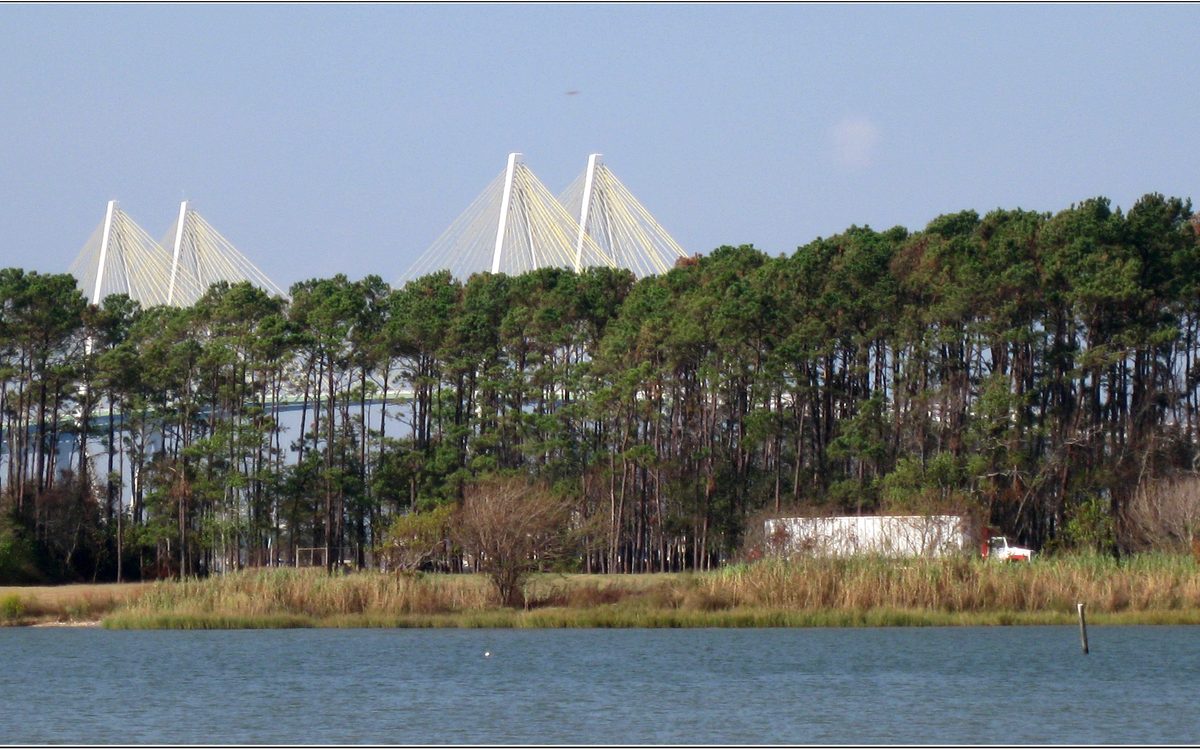
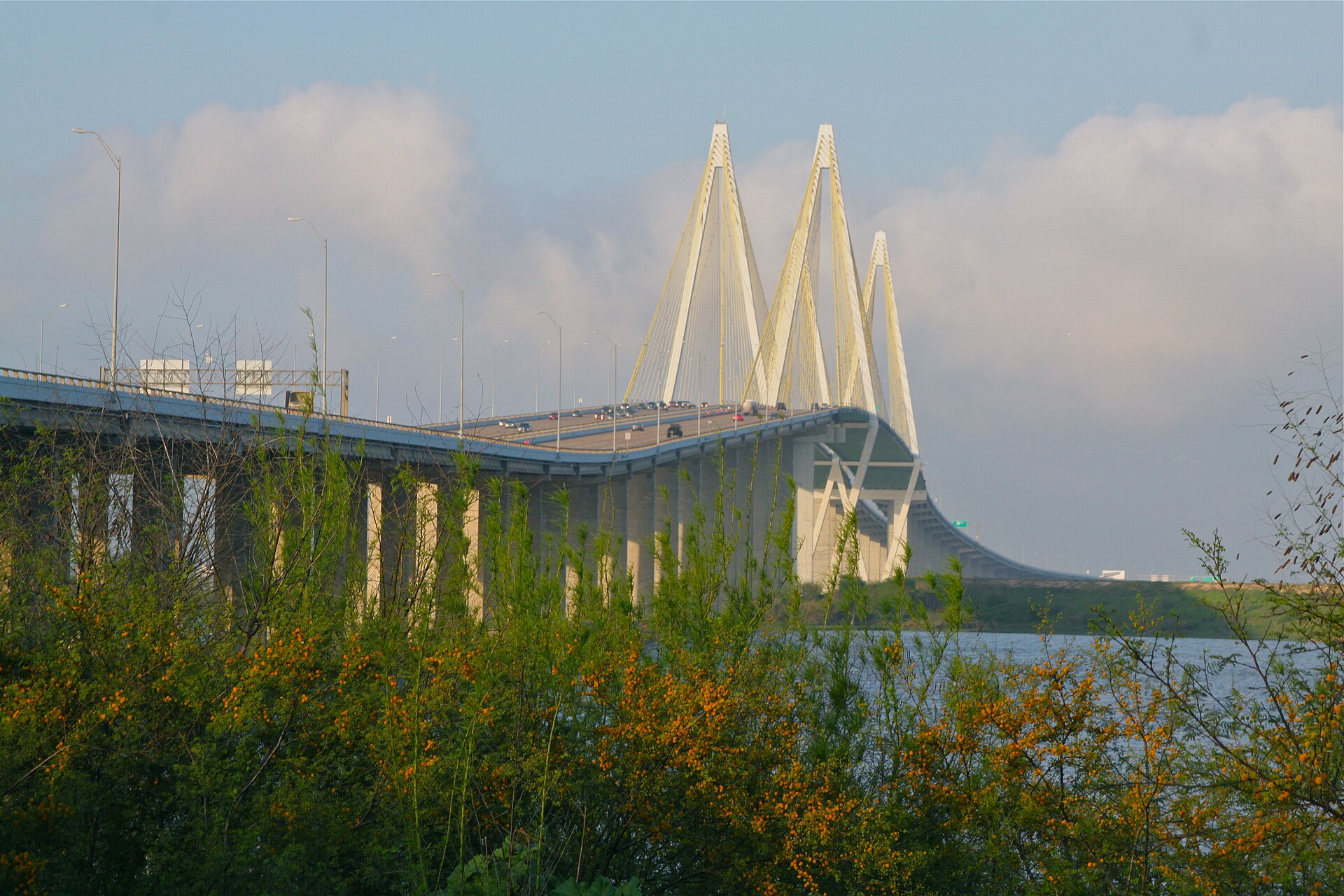
Midnight is a human invention. So is the first of January. The calendar we keep is a very good and very old piece of engineering, but it is engineering, not nature. The day begins at midnight because somebody decided it should. The year begins in the dead of winter, a few days after the solstice, because a Roman decided it should, and the rest of us have been going along with it ever since. Even the length of the year is a patch. The earth takes about three hundred sixty-five and a quarter days to get around the sun, and no calendar of whole days can hold a quarter, so every fourth February we stuff in an extra one to catch up. There is nothing in the sky that marks the moment. The stars over the bay at one minute past midnight are the stars that were there at one minute before. The tide in Tabbs Bay does not turn on the hour. Stand on the pier at Bayland and wait for the year to change, and you will not see anything change at all. You would see the flare, and the lights on the ships waiting at anchor, and the red blink on top of the towers of the Fred Hartman Bridge, and that would be it.
What is real about the year is that the earth goes around the sun, and that takes a certain amount of time, and then it does it again. The year has no beginning and no end; it is a circle. We draw it as a line because a line is easier to print on a calendar, and because a line lets us pretend that something is finished when we tear off December. But the planet does not tear anything off. It comes back around. Winter comes back. The northers come down the bay again. The birds come through the Nature Center in the fall and come through again in the spring going the other way. The hurricane season opens on the first of June and closes on the last of November and opens again. Nothing ends. It comes around.
Circles inside circles

The plant knows this better than the town does, because the plant is built as a circle, too. Look at a diagram of any unit out there and you will see loops. Heat goes out of one stream and into another: a stream that has to be cooled is run past one that has to be heated, so the two pay for each other and the furnace has less to do. Steam is raised, does its work, is condensed, is raised again. Catalysts are used and regenerated and used. Cooling water goes out to the towers and comes back. The whole enormous thing is a set of circles inside circles, and the reason it can run for years without stopping is that almost nothing in it is allowed to go in a straight line to an end. The crude is the only thing that really goes through, and even that is not an ending. Nothing in a refinery is destroyed. The carbon and the hydrogen that came in as oil go out as something else, rearranged, and then they go out into the world and become the tires on your truck and the seat in your child's car and the tube in the hospital on Garth Road. Conservation of mass is the oldest circle there is.
If the plant keeps a year of its own, it is not the one on the kitchen calendar. It is counted in run lengths. A unit is lit and it runs, and the people who tend it talk about the run the way you would talk about a long voyage, so many months since the last turnaround, so many until the next, and that count is the only calendar the process answers to. Its new year comes whenever the schedule says the unit comes down, and there are no fireworks for it, only weeks of scaffolding and cranes and a few thousand strangers filling the hotel lots and the RV parks, the whole thing opened up and looked into and closed again. Then the furnace is lit, and the run begins, and nobody in the control room says happy new year, though that is what it is. I have never heard anyone out there call it that.
While the rest of us sleep

And the town, honestly, is the same, whether or not we feel it on a holiday. The hospital on Garth Road did not close at midnight. In most years somebody is born there in the small hours of the first of January, and somebody is on the floor to catch the baby, and that person watched the countdown on a phone in a break room and then washed up and went back in. The ferry at Lynchburg was still crossing, or would be at first light, for free, a few minutes each way. Somebody was on the bridge. Somebody was on the water. Somebody was on the tower. The town does not run because of a date. It runs because a few thousand people, on any given night, are at work while the rest of us sleep.
I like the resolutions. I make them. There is nothing wrong with deciding that a line has been crossed and that you are going to be different on the far side of it. But I have come to think that the plant's way of seeing the year is the truer one, and that the resolution that lasts is the one still running at three in the afternoon on a Tuesday in March, when nobody is watching and nothing is marking the occasion, whether or not it began at midnight. The plant's resolution is the same every day. Hold the temperature. Hold the pressure. Do not stop.
By dusk on the first of the year the town has gotten up and eaten and gone back to bed early, because most of it has to work in the morning. The trash can in the driveway has been set upright. The wind has come around to the north and the bay has gone that flat gray it goes in winter. The pot of peas is in the refrigerator with foil over it, half gone; it will be lunch tomorrow and the day after, which is what a pot of black-eyed peas is for. In a house off Garth Road somebody who was on the board at midnight is asleep with the blinds shut against a sun they have not seen since yesterday afternoon, boots by the door, the alarm set for four. At four the truck will start, and the gate will open, and the numbers on the wall will be exactly where they were left.
Read next: A turnaround day, start to finish, The plants, plainly.
En español
La planta no tiene Año Nuevo
Para una planta continua, la medianoche no es un punto de parada. La Nochevieja pasa por la sala de control como cualquier otra hora de operación, mientras la gente marca el calendario alrededor de un proceso diseñado para no detenerse.
El primero de enero llega a Baytown como llega a casi todas partes: tarde. Las calles cercanas a Garth Road están en silencio hasta casi el mediodía. En algún camino de entrada hay un bote de basura tumbado por el viento de anoche. Los autoservicios tienen fila desde las diez, los estacionamientos de los supermercados se llenan a la una, y todo el pueblo parece haberse desvelado y no sentir el menor remordimiento. Detrás de cada ventana hay un partido de fútbol americano. En muchas cocinas hay frijoles de ojo negro al fuego, y en otras sobran tamales de Navidad. Junto al agua, unas cuantas personas pescan con abrigo desde el muelle de Bayland Park, porque el primer día del año es tan bueno como cualquiera para no pescar nada.
Y al otro lado del agua, detrás de ellas, la planta hace exactamente lo mismo que hacía anoche.
Me tomó años de vivir aquí verlo, y quiero decirlo sin rodeos: la planta no tiene Año Nuevo. No quiero decir que quienes trabajan allí se salten la fiesta. La celebran como todos, con los mismos frijoles y el mismo fútbol, el día que les toque según el turno. Quiero decir que el proceso mismo, lo que corre dentro de las tuberías, no se enteró de la medianoche. Un horno de craqueo que opera a ochocientos o novecientos grados no tiene dónde anotar la fecha. Una columna de destilación que lleva meses separando el crudo en sus fracciones sin una pausa no sabe que la gente del pueblo decidió, a cierta hora, volver a contar desde uno.
Un proceso continuo
Lo llamamos proceso continuo, y la frase es tan corriente por aquí que olvidamos lo extraña que es. Casi todo lo que los seres humanos han fabricado en la historia se hace por lotes: se hornea un pan, se cuece una vasija, se vierte una pieza fundida, se termina, se limpia y se empieza de nuevo. La refinería no trabaja así. El crudo entra por un extremo y nunca deja de entrar. Por el otro salen gasolina, diésel, combustible para aviones y las materias primas de la planta química, y nunca dejan de salir. Entre un extremo y otro hay un conjunto de recipientes que llevan mucho tiempo calientes, llenos y en movimiento. Los ingenieros planean que una unidad opere durante años entre las grandes paradas, los llamados turnarounds, cuando llegan cuadrillas de contratistas por cientos o por miles (la cifra exacta depende del tamaño de la parada) y se desarma todo para volver a armarlo. Después se enciende otra vez y corre, y no debe detenerse fuera de una parada programada. La parada imprevista es la que sale cara, y el arranque o el apagado reciben la atención más cercana que alguien presta jamás a una unidad, porque ahí es donde el proceso está más lejos de su estado estable. Una parada planeada, hecha a tiempo y conforme al manual, no es un fracaso: es el diseño funcionando. Cuando el diseño lo exige, la constancia no es un estado de ánimo allá afuera. Es ingeniería.
Tomemos la columna misma. El crudo entra caliente por el fondo; las partes ligeras suben como vapor y las pesadas se quedan abajo. Por dentro hay una pila de platos, y en cada plato el vapor ascendente se encuentra con líquido que baja, los dos intercambian calor y el vapor deja lo que es demasiado pesado para subir más. Arriba queda lo más ligero del barril, abajo lo más pesado, y en cada nivel intermedio sale por un tubo de la pared un producto distinto. Parte de lo que sale por la cima se enfría y se devuelve hacia abajo para mantener el equilibrio. Esa corriente de regreso se llama reflujo, y es la razón por la que la columna puede sostener su separación durante meses. Nada de esa descripción tiene principio ni fin. Es un río dispuesto de tal manera que corre en el mismo lugar.
Un poco antes de la medianoche
Imagine la sala de control un poco antes de la medianoche del último día del año. No voy a decirle de cuál planta se trata, ni voy a darle nombre al operador, porque no importa y porque es todas. Hay una pared de pantallas. Hay números en las pantallas, temperaturas, presiones y flujos, miles, y cada uno de ellos es una frase que el proceso dice sobre sí mismo. Alguien tiene un teléfono apoyado contra un monitor con la bola de Nueva York, una hora adelante de nosotros, y luego un canal local con la cuenta regresiva; a la medianoche hay un pequeño aplauso y quizá un apretón de manos, y después todos vuelven a mirar la pared. Los números no se movieron. El horno está a su temperatura. La columna está a su presión. La antorcha hace lo que hacen las antorchas. El año cambió, la planta no lo sintió, y el operador de la torre sabía que no lo sentiría y volvió a su trabajo.
No me parece triste. Creo que es una de las imágenes más honestas que existen de lo que es realmente un año.
La medianoche es un invento humano. También lo es el primero de enero. El calendario que usamos es una obra de ingeniería muy buena y muy antigua, pero es ingeniería, no naturaleza. El día empieza a medianoche porque alguien decidió que así fuera. El año empieza en pleno invierno, pocos días después del solsticio, porque un romano lo decidió, y los demás hemos seguido la corriente desde entonces. Hasta la duración del año es un remiendo. La Tierra tarda unos trescientos sesenta y cinco días y cuarto en dar la vuelta al Sol, y ningún calendario de días enteros puede guardar un cuarto, así que cada cuatro años metemos un día extra en febrero para ponernos al corriente. No hay nada en el cielo que marque el momento. Las estrellas sobre la bahía a las doce y un minuto son las mismas que había a las doce menos uno. La marea de Tabbs Bay no cambia a la hora en punto. Párese en el muelle de Bayland y espere a que cambie el año, y no verá cambiar nada. Verá la antorcha, las luces de los barcos que esperan anclados y el parpadeo rojo en lo alto de las torres del Fred Hartman Bridge, y eso sería todo.
Lo real del año es que la Tierra gira alrededor del Sol, que eso toma cierto tiempo y que luego lo vuelve a hacer. El año no tiene principio ni fin; es un círculo. Lo dibujamos como una línea porque una línea es más fácil de imprimir en un calendario y porque nos deja fingir que algo terminó cuando arrancamos la hoja de diciembre. Pero el planeta no arranca nada. Regresa. El invierno vuelve. Los nortes bajan otra vez por la bahía. Las aves pasan por el Nature Center en otoño y vuelven a pasar en primavera en el sentido contrario. La temporada de huracanes abre el primero de junio, cierra el último día de noviembre y vuelve a abrir. Nada termina. Todo vuelve a empezar.
Círculos dentro de círculos
La planta lo sabe mejor que el pueblo, porque la planta también está construida como un círculo. Mire el diagrama de cualquier unidad y verá lazos. El calor sale de una corriente y entra en otra: la que hay que enfriar pasa junto a la que hay que calentar, de modo que una paga por la otra y el horno trabaja menos. Se genera vapor, hace su trabajo, se condensa y se genera de nuevo. Los catalizadores se usan, se regeneran y se usan. El agua de enfriamiento sale a las torres y regresa. Todo el enorme conjunto es un sistema de círculos dentro de círculos, y la razón por la que puede correr años sin detenerse es que casi nada de lo que contiene tiene permiso de avanzar en línea recta hacia un final. El crudo es lo único que de verdad pasa de largo, y ni siquiera eso es un final. En una refinería nada se destruye. El carbono y el hidrógeno que entraron como petróleo salen convertidos en otra cosa, reordenados, y luego salen al mundo y se vuelven las llantas de su camioneta, el asiento del auto de su hijo y el tubo del hospital de Garth Road. La conservación de la masa es el círculo más viejo que existe.
Si la planta lleva un año propio, no es el del calendario de la cocina. Se cuenta en tiempos de operación. Una unidad se enciende y corre, y quienes la atienden hablan de esa corrida como se habla de un viaje largo: tantos meses desde la última parada, tantos hasta la siguiente, y esa cuenta es el único calendario al que responde el proceso. Su año nuevo llega cuando el programa dice que la unidad baja, y no hay fuegos artificiales, solo semanas de andamios y grúas y unos miles de desconocidos llenando los estacionamientos de los hoteles y los campamentos de casas rodantes, mientras todo se abre, se examina y se vuelve a cerrar. Luego se enciende el horno, comienza la corrida y nadie en la sala de control dice feliz año nuevo, aunque eso es lo que es. Nunca he oído a nadie allá afuera llamarlo así.
Mientras el resto dormimos
Y el pueblo, en verdad, es igual, lo sintamos o no en un día feriado. El hospital de Garth Road no cerró a medianoche. En la mayoría de los años alguien nace allí en las primeras horas del primero de enero, y hay alguien de guardia para recibir al bebé; esa persona vio la cuenta regresiva en un teléfono en la sala de descanso, se lavó y volvió a entrar. El transbordador de Lynchburg seguía cruzando, o cruzaría con la primera luz, gratis, unos minutos en cada sentido. Alguien estaba en el puente. Alguien estaba en el agua. Alguien estaba en la torre. El pueblo no funciona por una fecha. Funciona porque unos miles de personas, en cualquier noche dada, están trabajando mientras el resto dormimos.
Me gustan los propósitos de año nuevo. Yo los hago. No tiene nada de malo decidir que se cruzó una línea y que uno va a ser distinto del otro lado. Pero he llegado a pensar que la manera en que la planta ve el año es la más verdadera, y que el propósito que dura es el que sigue en marcha a las tres de la tarde de un martes de marzo, cuando nadie mira y nada marca la ocasión, haya empezado o no a medianoche. El propósito de la planta es el mismo todos los días. Mantener la temperatura. Mantener la presión. No parar.
Al anochecer del primer día del año, el pueblo ya se levantó, comió y se acostó temprano, porque la mayoría tiene que trabajar por la mañana. El bote de basura del camino de entrada ya está de pie. El viento giró hacia el norte y la bahía se puso de ese gris plano que tiene en invierno. La olla de frijoles está en el refrigerador con papel de aluminio encima, a la mitad; será el almuerzo de mañana y de pasado mañana, que es para lo que sirve una olla de frijoles de ojo negro. En una casa cerca de Garth Road, alguien que estaba al tablero de control a medianoche duerme con las persianas cerradas contra un sol que no ha visto desde ayer por la tarde, con las botas junto a la puerta y la alarma puesta para las cuatro. A las cuatro arrancará la camioneta, se abrirá el portón y los números de la pared estarán exactamente donde los dejaron.
Siga leyendo: Un día de parada, de principio a fin, Las plantas, sin rodeos.